11 Natural Remedies for Anxiety: How to Overcome Nervousness the All-Natural Way

Symptoms can include
- Restlessness
- Rapid heartbeat
- Difficulty concentrating
- Muscle tension
- Sleep disturbances
Although anxiety is different for everyone, the idea of treating anxiety naturally revolves around minimizing the intensity and frequency of these symptoms and enhancing the quality of life.
Herbal Remedies for Anxiety
For centuries, herbs have been used in traditional healing as a remedy to soothe the mind and inspire the spirit. The Most Effective Herbal Remedies for Anxiety. Which herbs are best for anxiety?
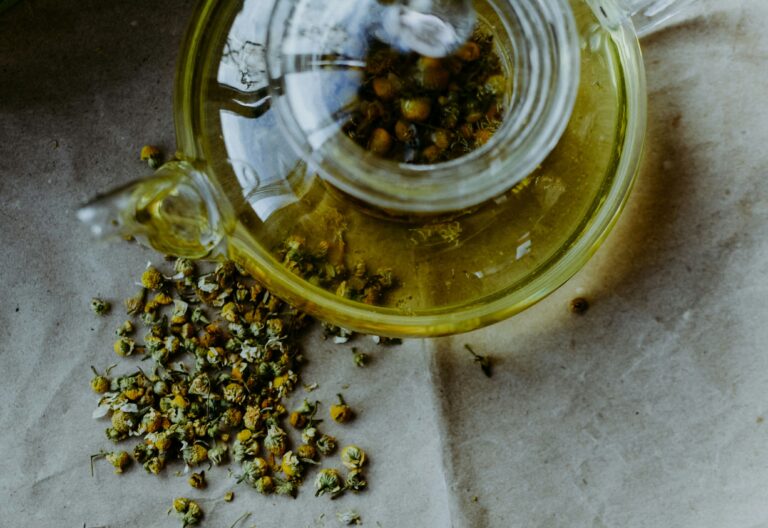
Chamomile
Chamomile has also been widely known for promoting a sense of calm. A mug of chamomile tea can soothe mild to moderate anxiety symptoms. Studies indicate that chamomile extract may function as a mild sedative, helping to soften the escape without leading to drug dependency.
Lavender
Lavender oil is a commonly used natural treatment for anxiety. Smelling lavender, or using it in aromatherapy, will also help you feel less nervous. Some research even indicates that consuming lavender supplements orally may work against generalized anxiety.
Passionflower
Traditionally, passionflower has been used to alleviate insomnia and anxiety. Some studies suggest it may be as effective as medications prescribed for anxiety, although more research is needed to demonstrate its long-term benefits.
Valerian Root
The root of the valerian plant is sometimes known as “nature’s Valium.” It also has mild sedative effects and may help reduce anxiety, particularly anxiety that interferes with sleep.
Mindfulness and Meditation
One of the most powerful anxiety treatments is meditation and mindfulness. These routines keep you rooted in the present, yanking you out of the maelstrom of doomscrolling concerns.
Benefits of Meditation:
- Lowers cortisol (the stress hormone)
- Enhances self-awareness
- Improves emotional regulation
- Promotes tranquillity and peace of mind
Meditative breathing exercises, in particular, can be practiced anywhere and provide instant relief. Begin with five minutes a day practicing breath-focus, and build from there as you become more comfortable.
Exercise and Movement
Physical activity isn’t just good for your body — it is very important for your mind as well. Exercise is a healthy and sensible cure for anxiety, because it releases endorphins, the brain’s feel-good chemicals.
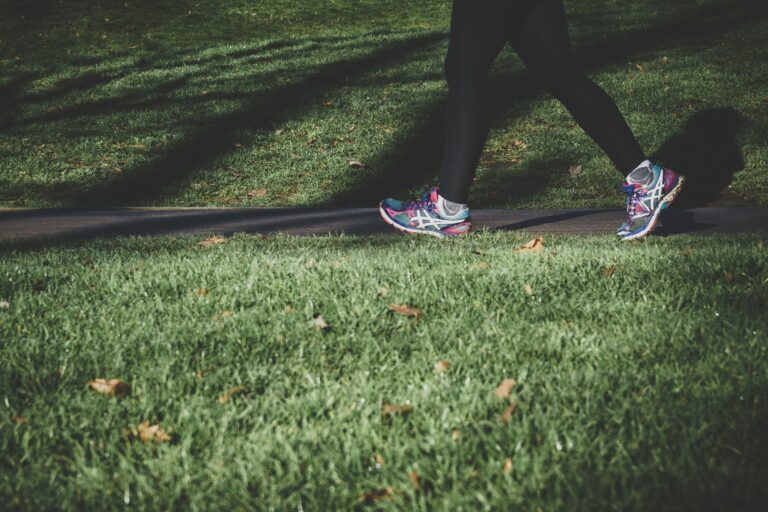
Best Exercises for Anxiety include yoga, which fuses movement and breath as well as mindfulness. It brings the body from flight and fights to a calm and resting mode, lowering blood pressure and regulating heart rate. It maintains certain chemical levels which amplify positive behaviour. Exercises like walking in nature (aka “eco-therapy”) is great remedy for stress on a daily basis. Activities like dancing and Pilates, can release any energy clogging up. Moreover, swimming calms the body and soul. Even a 20-minute walk in the fresh air can significantly reduce anxiety.
Diet and Nutrition
Your beta-glucan is a major mood and anxiety influencer by what you eat. Some foods aggravate anxiety, while others can help you relax.
Foods That Help Anxiety:
- Fatty fish (salmon, sardines): Full of omega-3 fatty acids.
- Fermented foods (yogurt, kefir, kimchi): Support gut health, which is associated with mood regulation.
- Leafy greens (spinach, kale): Rich in magnesium, a mineral that is crucial for healthy nerves.
- Berries (i.e., blueberries, strawberries) are high in antioxidants.
Foods to Avoid:
- Caffeine
- Sugar
- Processed foods
Stabilizing mood swings and anxiety spikes is another benefit when you balance your blood sugar through consistently nutrient-dense meals.
Aromatherapy
Scent is one thing that people often do not realize has that much control over us. (another natural remedy for anxiety). There are some essential oils which can also be used in aromatherapy that can help in affecting the emotional brain centre.
Best Oils for Anxiety Relief
Bergamot is a citrus fruit, and its oil is one of the therapies for anxiety, proving it to be uplifting and calming. Ylang helps in bringing down the blood pressure and calming down, while Frankincense is profoundly earthly. Diffuse into the air, add a few drops to warm bath water, or apply diluted into pulse points.
Sleep Hygiene
‘Anxiety is driven, at least in part, by poor sleep. Better sleep hygiene is a simple cure for anxiety. Maintain a regular bedtime and wake-up time. Screen-time cutoff an hour before bed. Make the room cool, dark, and quiet. Stay away from caffeine and heavy evening meals. Natural helpers like herbal teas (chamomile, valerian) and soothing bedtime rituals can encourage a deeper, more restorative sleep.
Journaling
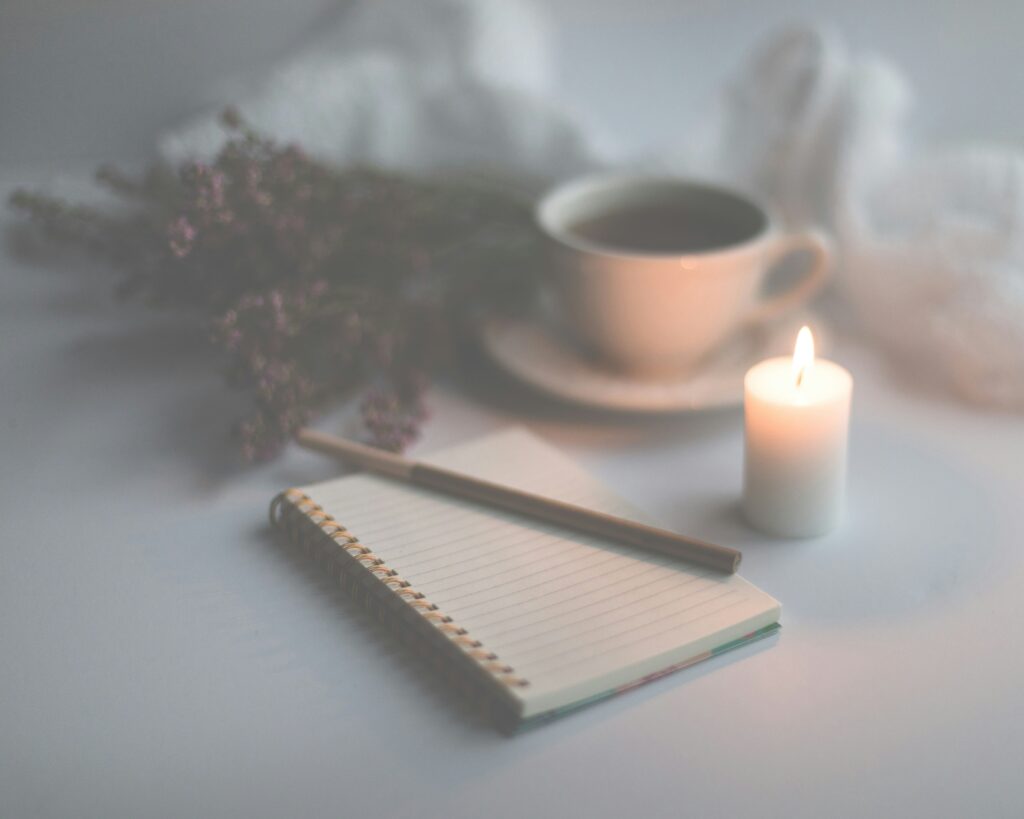
Expressing yourself through words can be so therapeutic. Journaling can help externalize fears, making them seem less threatening.
Here are some of the good journaling ideas
- Gratitude lists
- Flow of thought writing
- Writing letters to a future or past you
- Mood tracking
- The act of noticing your thoughts diminishes their control over you, thereby freeing up room for more positive thoughts.
Supplements
There are some supplements that can naturally improve your mental health. As always, check with a healthcare provider before beginning to take any new supplement, particularly if you are on medication.
Best Supplements for Anxiety:
Magnesium: A soothing mineral that is commonly lacking in the diet today.
L-Theanine: An amino acid derived from green tea that enhances relaxation without causing drowsiness. Ashwagandha is an adaptogen that supports the body’s ability to cope with stress. Other supplements like Rhodiola Rosea support resistance to physical and emotional stress. Supplements can be effective solutions for anxiety when used properly and in good judgment.
Connection and Support
Isolation fuels anxiety. For emotional health, it is crucial to have the human connection that comes with companionship, family and support groups.
Ways to Foster Connection:
Meet up with friends on a regular basis. Sign up for a class or group in your community. You can also volunteer for a cause you believe in. Being acknowledged, heard, and supported can dramatically decrease an anxious heart.
Nature Therapy
Science has shown that being in nature, or “forest bathing,” lowers cortisol levels and improves mood.
Ideas for Nature Therapy:
- Hiking
- Gardening
- Picnicking at a park
- Beach walks
In a natural setting, senses are fully engaged, which helps the mind settle and the body calm, making nature one of the easiest and most powerful tools for anxiety.
Conclusion: The Best Natural Anxiety Remedies
Everybody gets a little anxious now and then, but nobody has to live with that every day. With the help of herbal remedies, mindfulness, physical activity, good nutrition and more natural remedies to ease anxiety, you can establish a supportive, restorative climate for mind and body.
Recovery is a trip, not a spot. When you do incorporate these practices in your daily schedule, you give the gift of resilience, peace, and joy to yourself. Whether you unwind with soothing teas, relax through walking or meditating in a sunny forest, every action you take towards natural aid is a step towards a calmer, more confident you.
Remember: You are not alone, and you possess the strength within to regain your peace naturally.
You May Also Like
Homemade Chocolate Spread
May 17, 2024
5 top Tips to unlock your potential and master creativity
April 28, 2024